


“This work was in truth monumental; it laid the foundation for all the horticultural knowledge and taste in Europe”
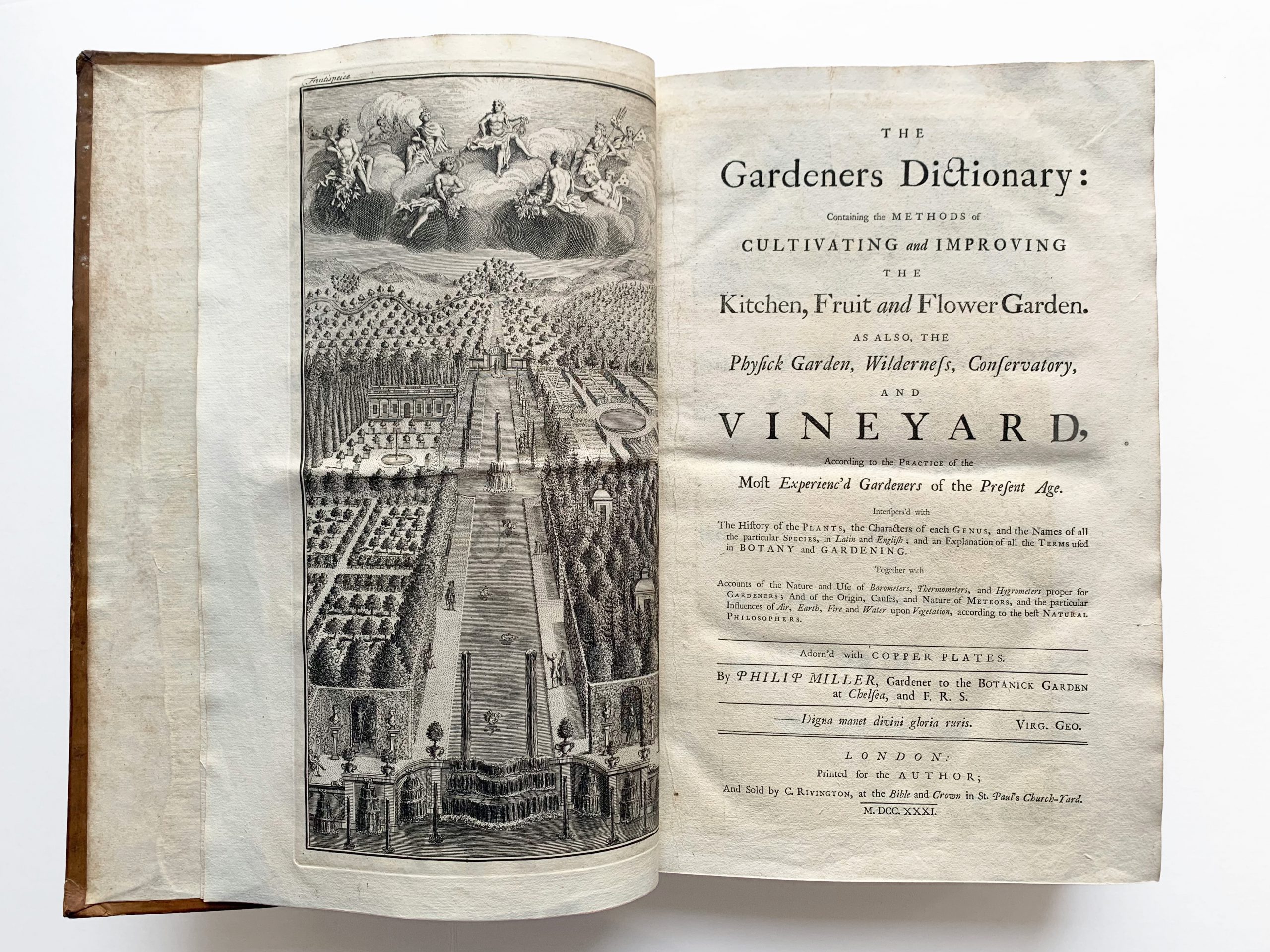
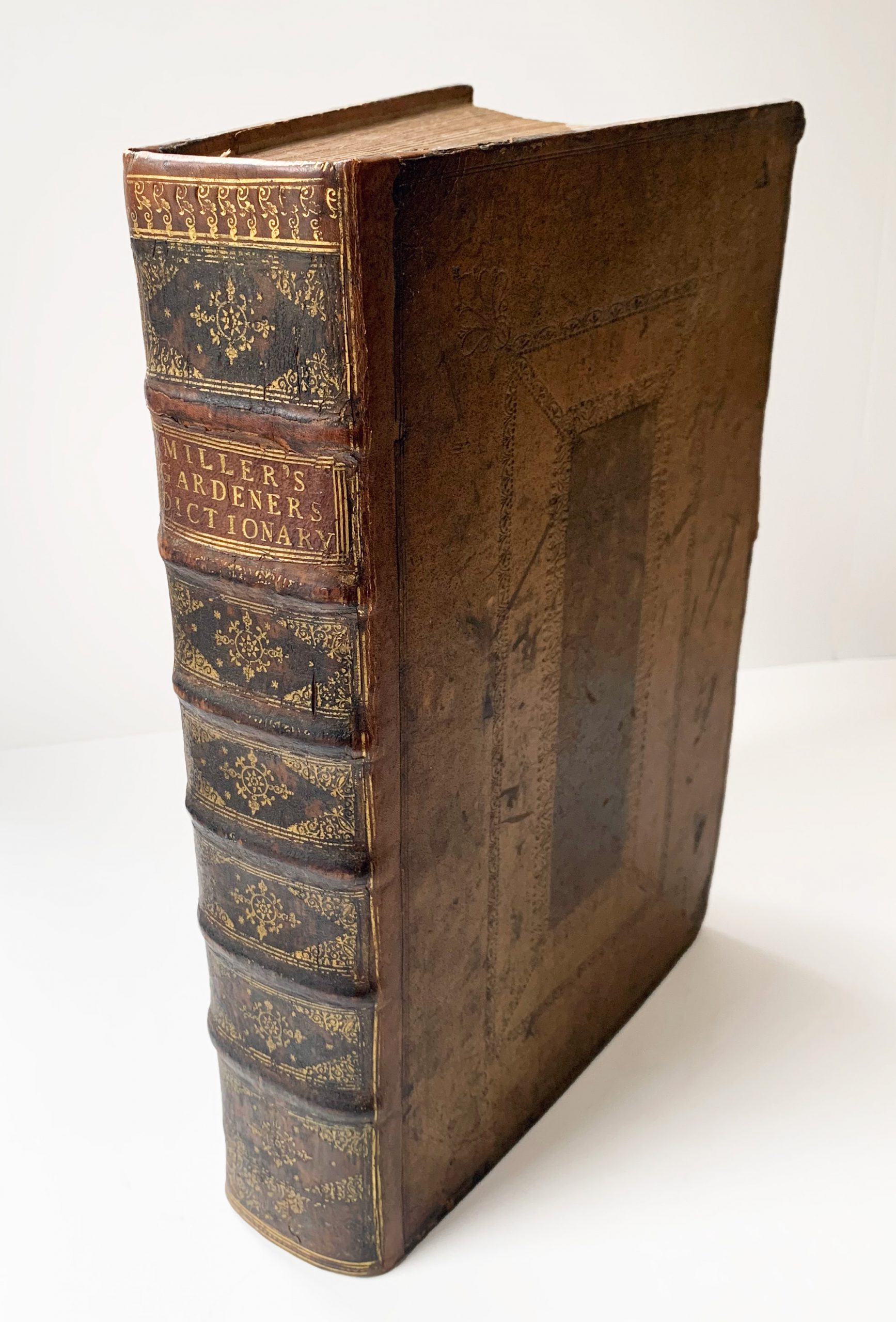
MILLER, PHILIP. The Gardeners Dictionary: Containing the methods of cultivating and improving the kitchen, fruit and flower garden, as also the physick garden, wilderness, conservatory, and vineyard
London: Printed for the author and sold by C. Rivington, 1731
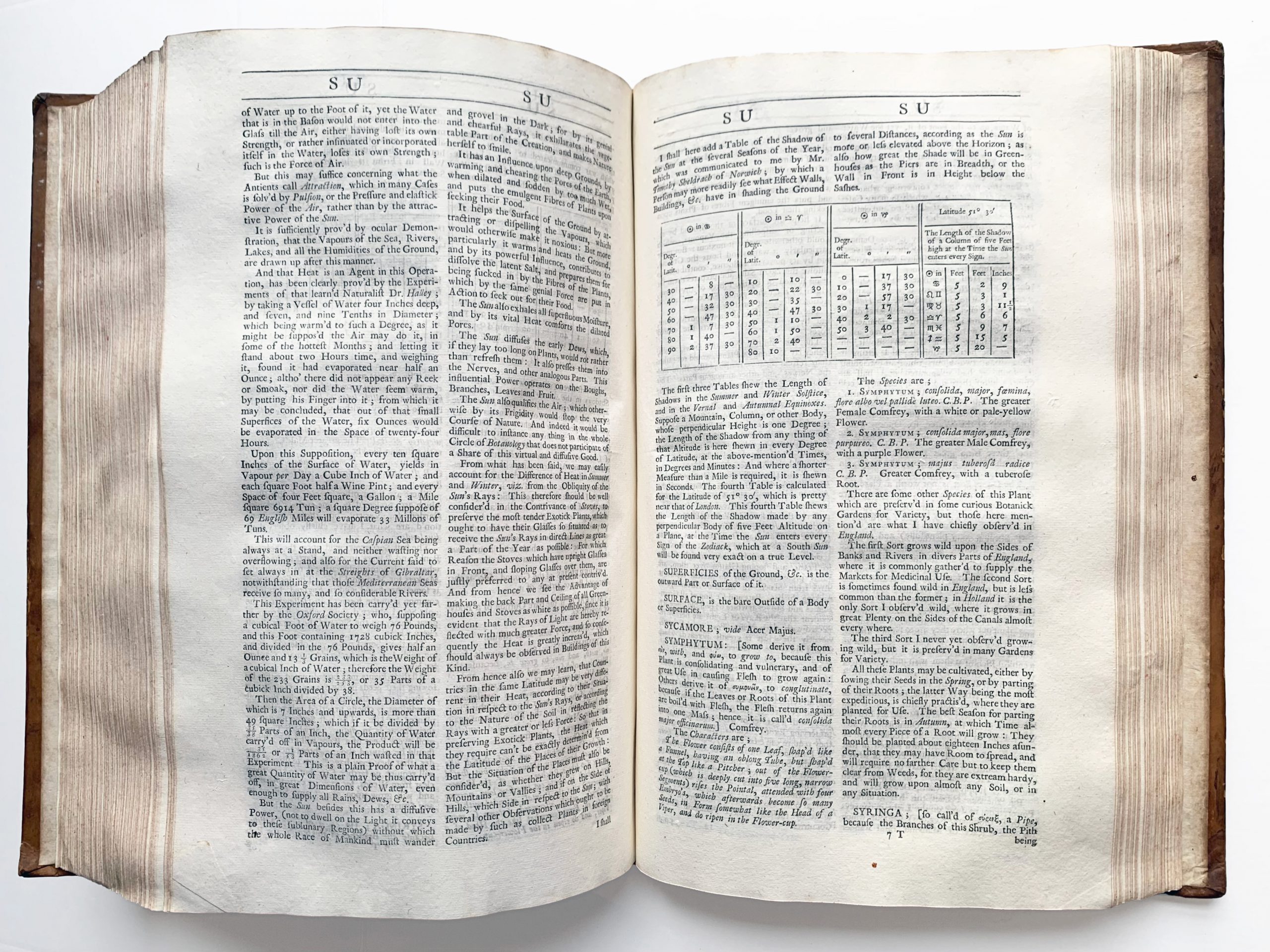
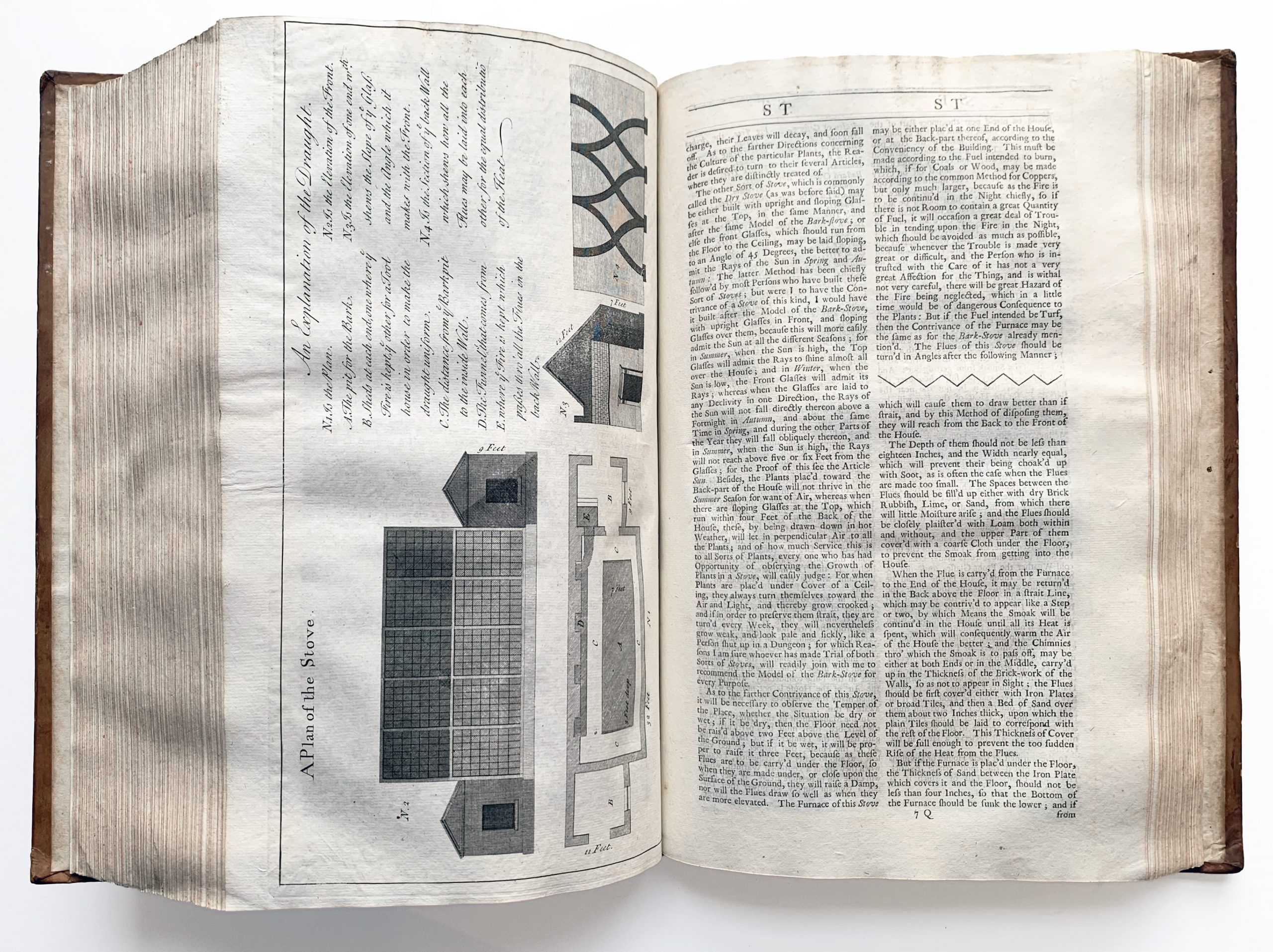
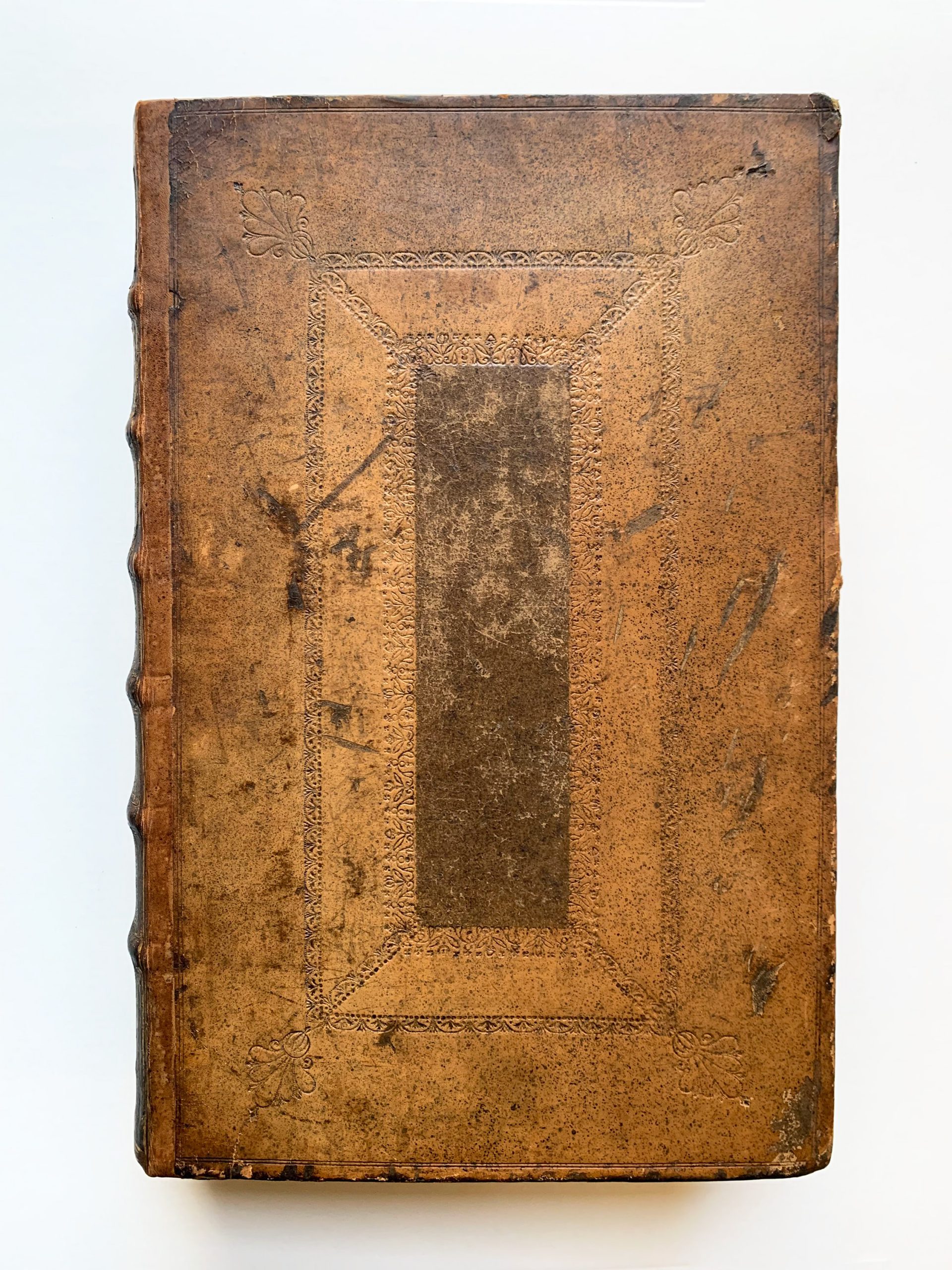
Folio. xvi, [844] pp, with 5 plates (including frontispiece). Eighteenth-century sprinkled paneled calf, spine gilt. Darkening and soiling to boards, light wear to extremities, small crack to spine. Rebacked preserving original spine. Some light spotting and staining, 4-inch closed tear to 2[r]. An excellent copy.
FIRST EDITION. Philip Miller’s Gardeners Dictionary is one of the most important books in the history of horticulture. “This work was in truth monumental; it laid the foundation for all the horticultural knowledge and taste in Europe” (Green, History of Botany in the United Kingdom).
Son of a market gardener, Philip Miller (1691-1771) became head of the Chelsea Physic Garden in 1722. Miller corresponded with botanists and gardeners around the world including Linnaeus, who visited Miller in London. Building a worldwide network of contacts, Miller obtained innumerable specimens and introduced many plants to England. The world’s leading authority on horticulture, Miller was elected a Fellow of the Royal Society in 1731. By the time of his death in 1771, Miller had transformed the private medicinal garden into the leading botanical garden in Europe.
Miller’s greatest achievement was his Gardeners Dictionary, which was issued in eight folio editions (1731-68) during the author’s lifetime. A smaller format abridgement appeared in multiple editions in 1735-71. The book’s direct descendant is the present-day Dictionary of Gardening, published by the Royal Horticultural Society.
The Gardeners Dictionary was enormously influential in America. “In the American colonies, wealthy landowners laying out the grounds of stately new homes inevitably turned to England for inspiration. … The most authoritative design guide of the period was The Gardeners Dictionary written by Philip Miller in 1731. Alice Lockwood, author of Gardens of Colony and State, pointed to Miller’s frontispiece—a symmetrical layout, bisected by a canal, with walled orchards and beds—as ‘the ideal of many a colonial garden.’” (Karson, A Genius for Place).
Thomas Jefferson “made constant use of Miller’s Gardeners Dictionary, which is mentioned frequently in his Garden Books and in his correspondence” (Sowerby, Catalogue of the Library of Thomas Jefferson). Jefferson listed the work in his famous letter to Skipwith naming the books essential for a gentleman’s library.
The Swedish botanist and explorer Pehr Kalm observed in 1753 that he had “asked several of the greatest and best horticulturists both in England and in America, what author and what book they had found and believed to be the best in horticulture … They all answered with one mouth, Miller’s Gardener’s Dictionary either in folio or the abstract in octavo was the best of all. … The same answer I have got from several distinguished persons who had themselves had a particular pleasure in planting trees and plants with their own hands. If any of the Lords or great ‘Herren’ in England wished to lay out a new garden or remake an old one, Mr. Miller would always show them how it ought to be done. When the greatest lords drove out to their estates, he often drove out with them in the same carriage. In a word the principal people in the land set a particular value on this man” (quoted in Le Rougetel, The Chelsea Gardener: Philip Miller 1691-1771).
Provenance: Armorial bookplate of John Rolle, Baron Rolle of Stevenstone (1750-1842) on front pastedown
$12,000