
-
 Knox, David
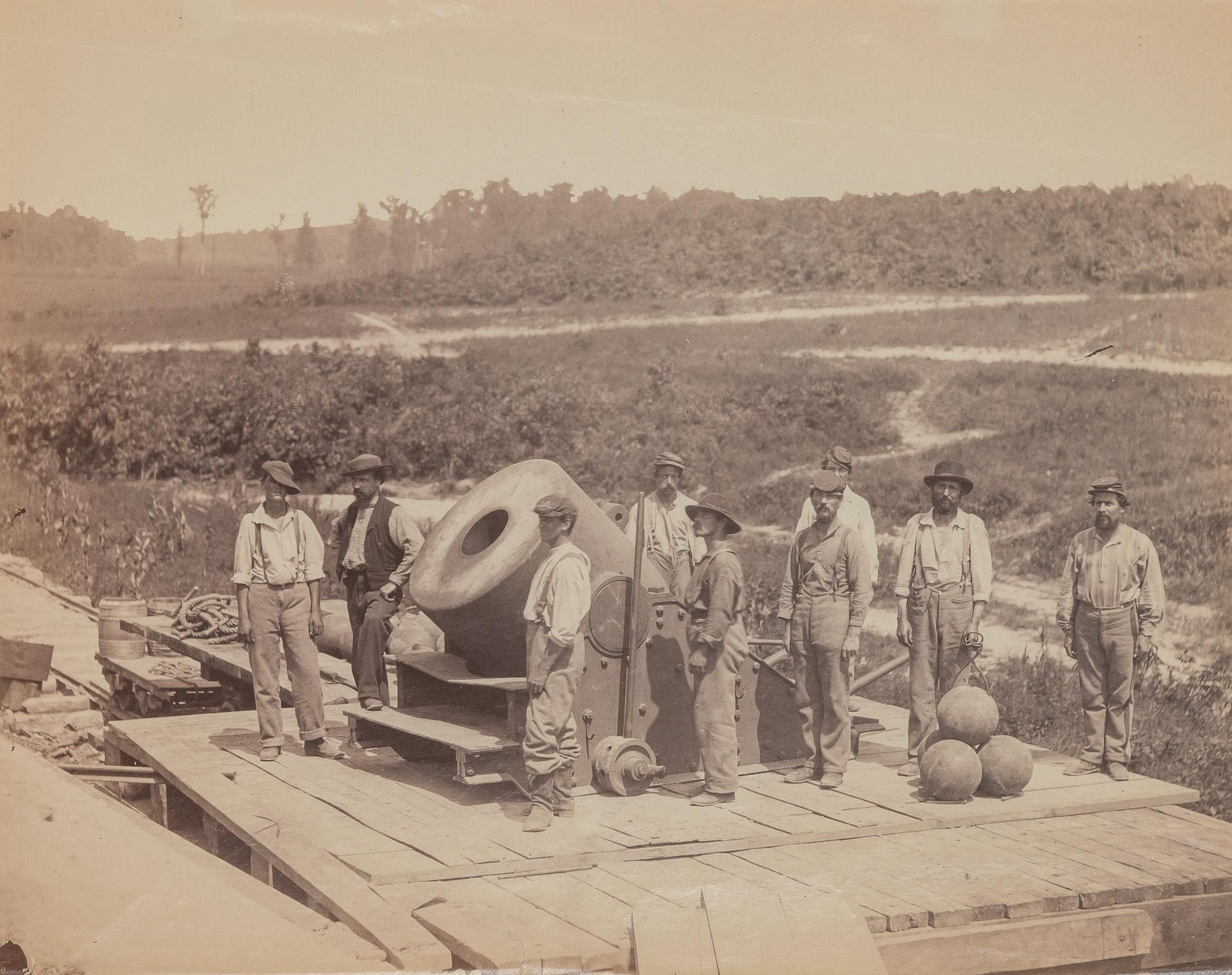
Mortar Dictator, in Front of Petersburg. Petersburg, Va., October 1864
This fascinating photograph is a variant of the image shown in Gardner’s Photographic Sketch Book of the War. In that image, a group of Union officers including the chief of artillery of the Army of the Potomac stands in the foreground, while five members of the mortar crew stand in the background. In the present photograph, shells have been moved to the foreground, and the full crew of nine men is present. The photographs are otherwise essentially identical.
$3,500
-
 (U.S. CAPITOL.) Alexander Gardner
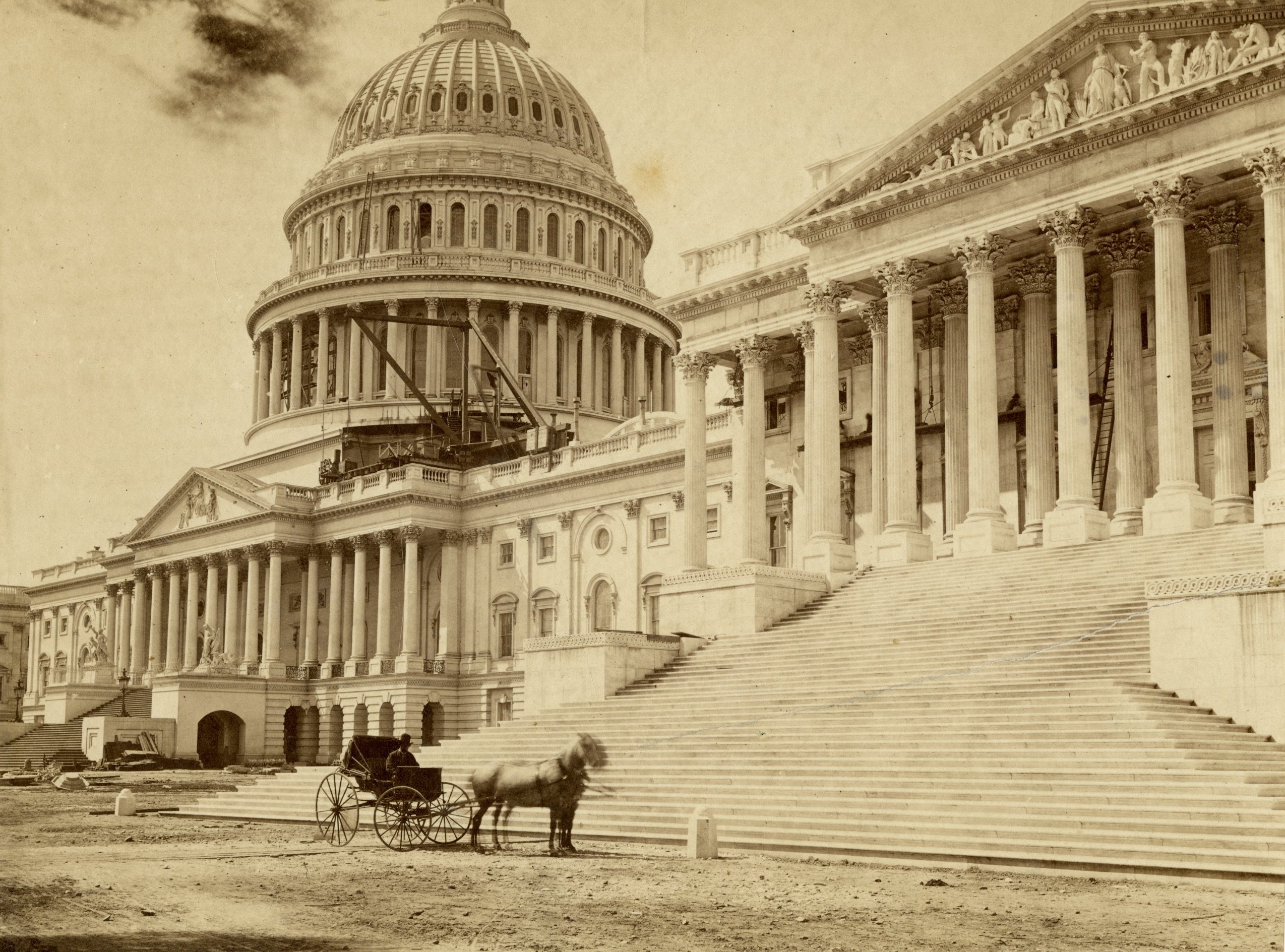
East Front of the Capitol. Washington, c. 1864
This photograph by Alexander Gardner shows the Capitol as it was during Lincoln’s presidency. Scaffolding, cranes, ladders, and other construction equipment are visible. The East Front of the Capitol was the site of Lincoln’s inaugurations in 1861 and 1865.
$3,800
-
 (LINCOLN, ABRAHAM.) Alexander Gardner
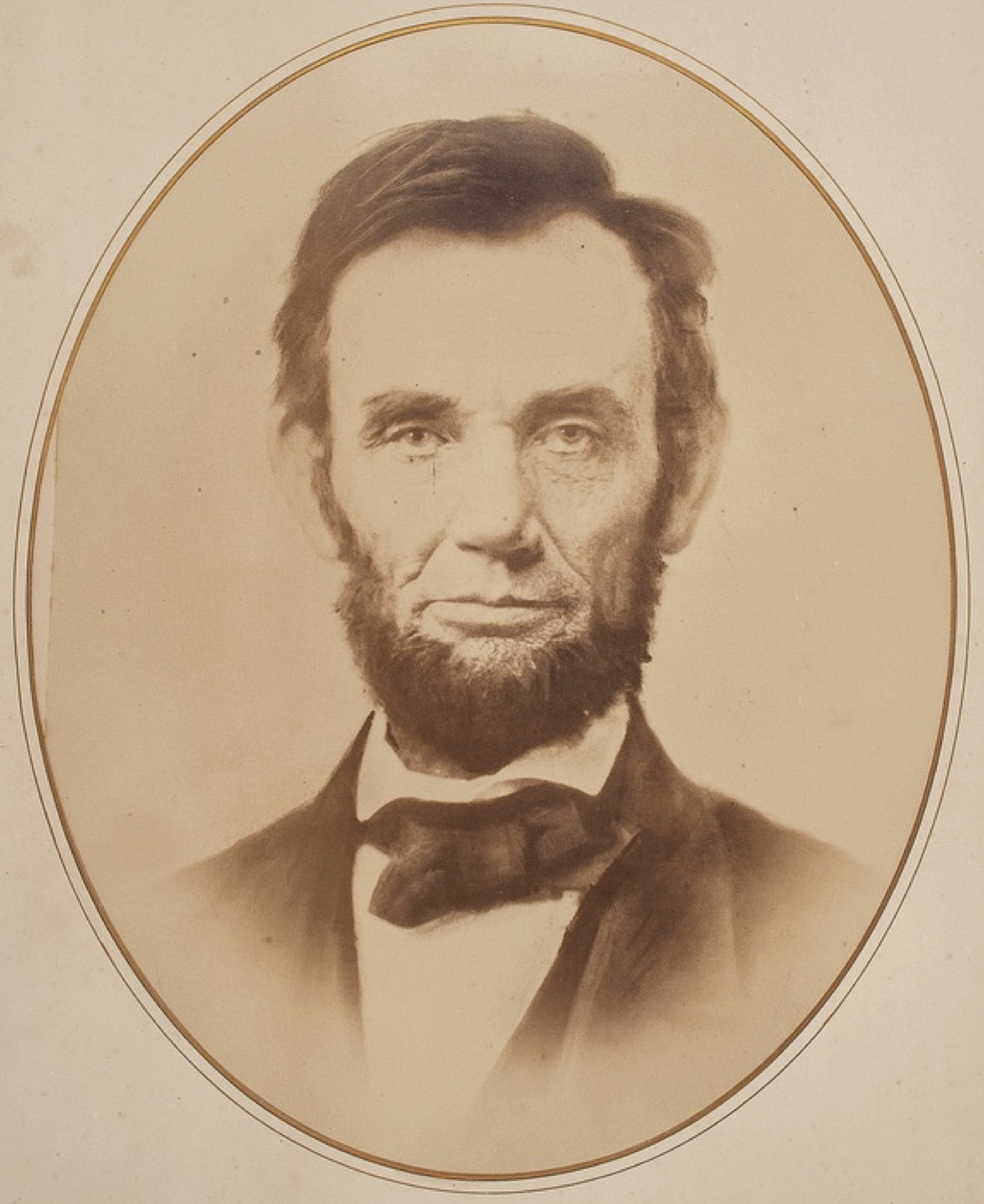
Abraham Lincoln. Washington, November 8, 1863
This famous “Gettysburg portrait,” with Lincoln looking directly into the camera, was made just days before he delivered the Gettysburg Address on November 19, 1863.
$32,000
-
 (CUMBERLAND LANDING.) Gibson, James and John Wood
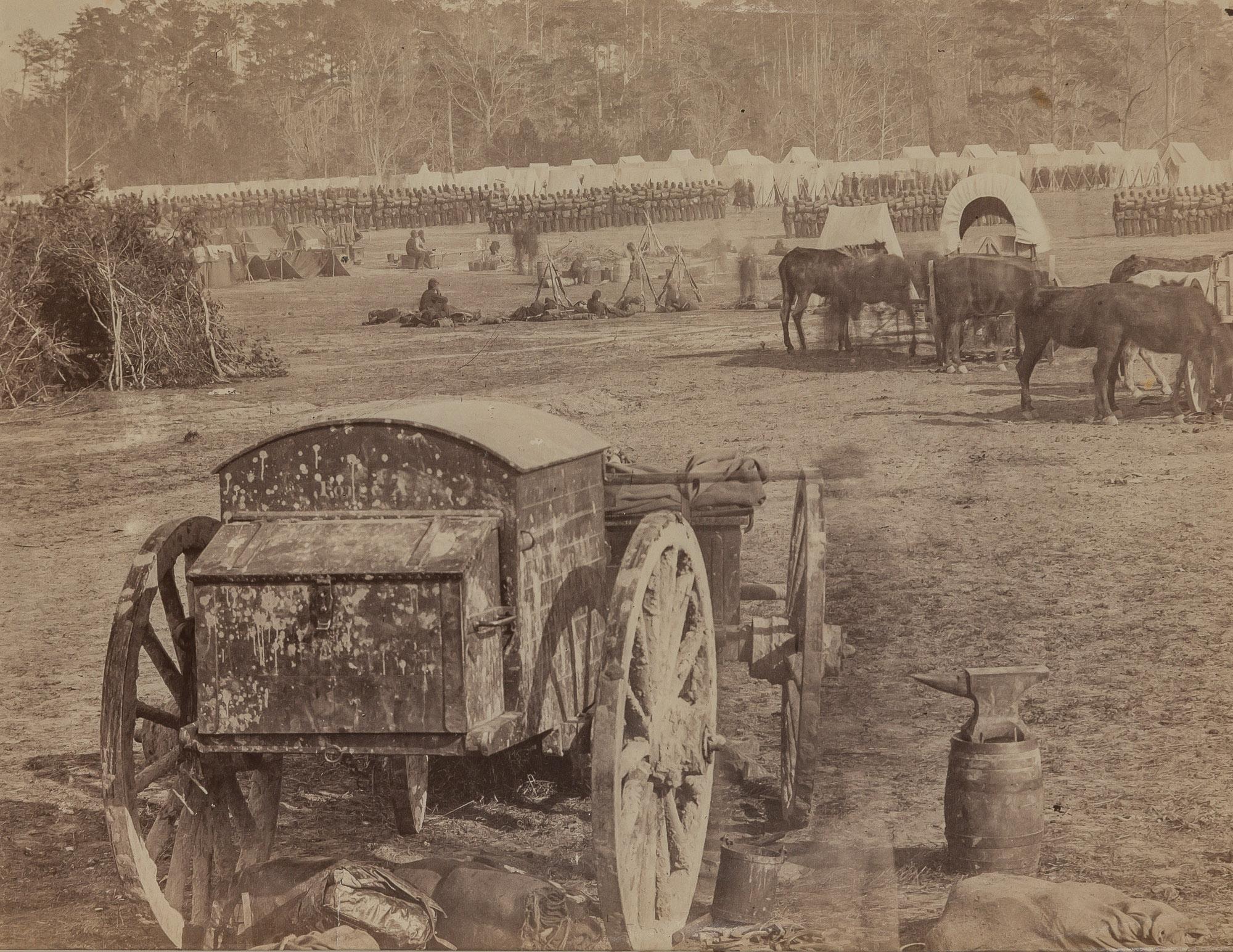
Inspection of Union Troops at Cumberland Landing, Pamunkey, Virginia. Cumberland Landing, Virginia, May 1862
This famous view shows a Union Army encampment at Cumberland Landing on the Pamunkey in Virginia.
$3,500
-
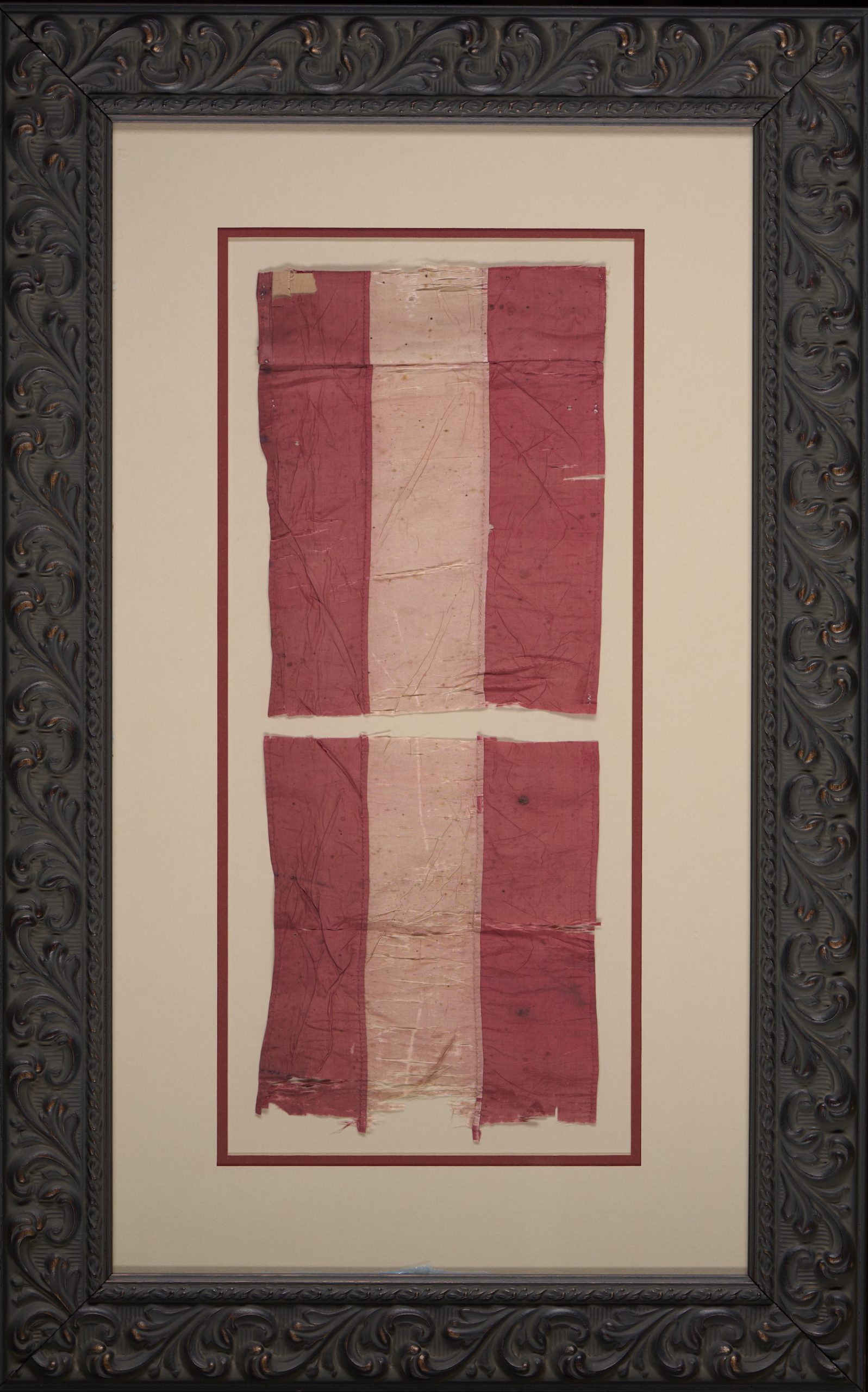 LINCOLN, ABRAHAM
Autograph letter signed as President to Adjutant General Lorenzo Thomas [with] American flag bunting from Lincoln’s box at Ford’s Theatre. Washington, Executive Mansion, May 27, 1861
Abraham Lincoln, writing at the outset of the Civil War, recommends that the Army admit three volunteers from the highly divided city of Baltimore. He advises Adjutant General Lorenzo Thomas, “I hate to reject any offered from what is called a Southern State.” [offered with] Bunting from the presidential box at Ford’s Theatre.
two items: $275,000
-
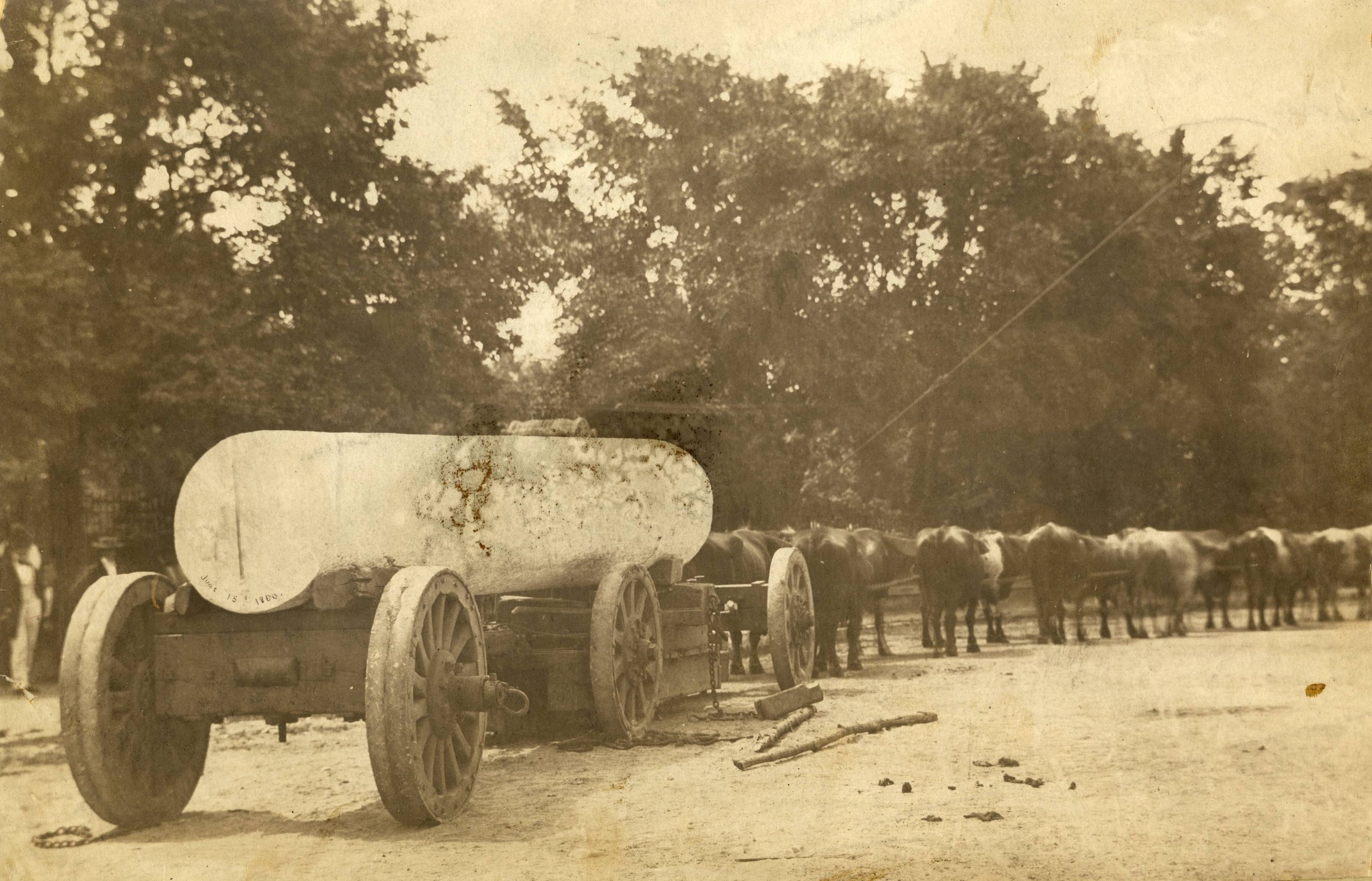 (U.S. CAPITOL.) John Wood
Marble column being carried on a cart to the Capitol. Washington, 1860
This rare salt print shows a colossal marble column being carried to the Capitol during its construction. The enormous cart is being drawn by team of twelve or more horses.
$7,500
-
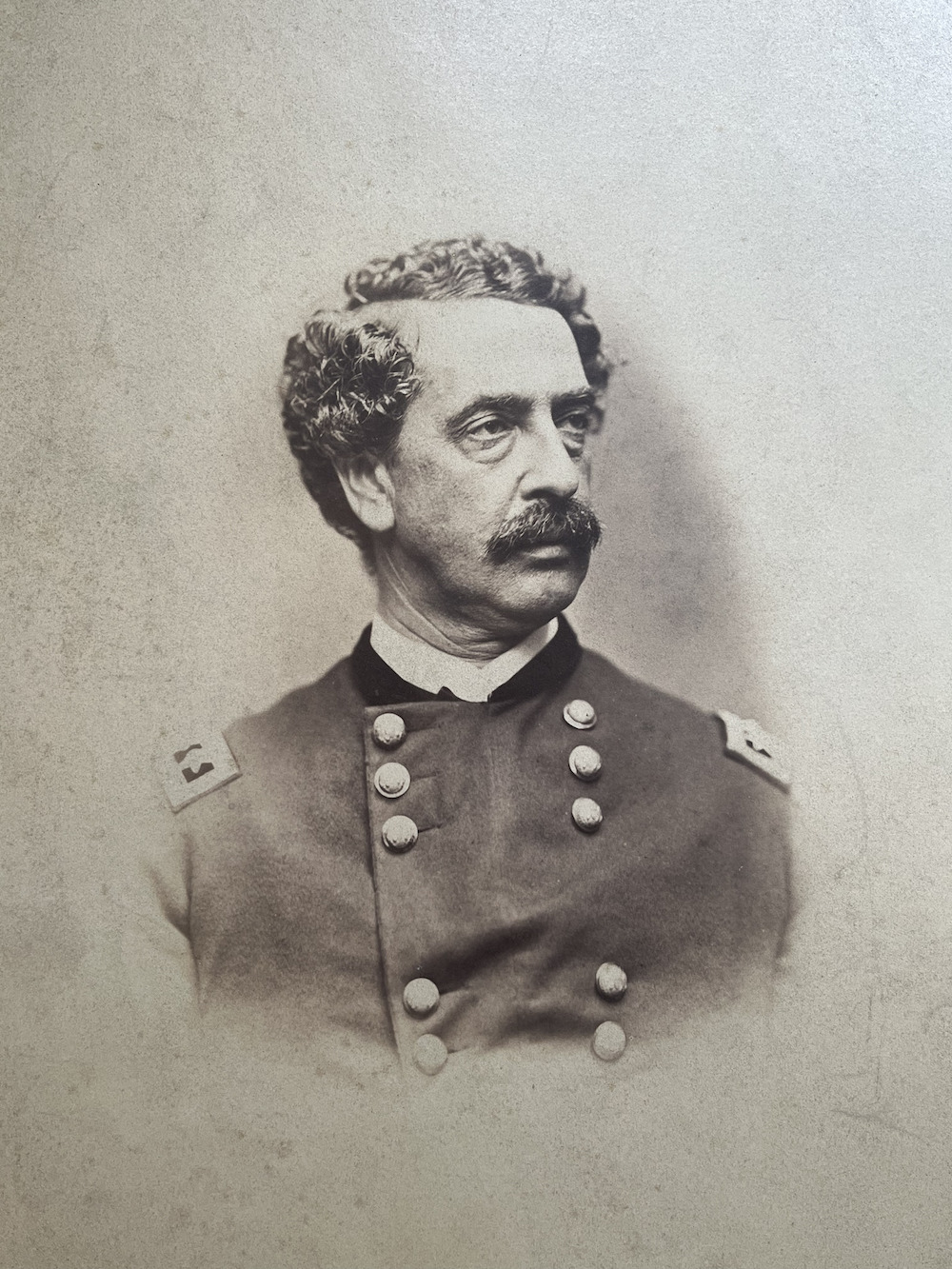 (DOUBLEDAY, ABNER)
Maj. Gen. Abner Doubleday. No place, 1860s
This is a rare large format portrait of the famed general Abner Doubleday. Doubleday played a prominent role in the Union Army from the war’s outset. He was was second in command at Fort Sumter when the war started. He later commanded a division at Antietam, Gettysburg and other major battles.
$9,500
-
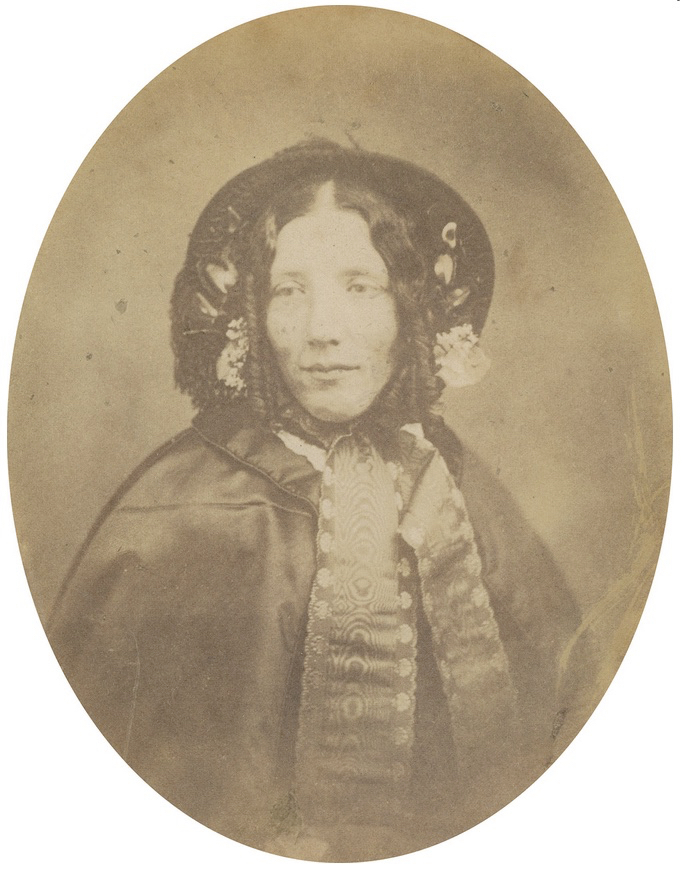 (STOWE, HARRIET BEECHER.) John A. Whipple
Harriet Beecher Stowe. Boston, 1853
This is a fine salt print portrait of Harriet Beecher Stowe by John A. Whipple, a leading early American portrait photographer.
$25,000
-
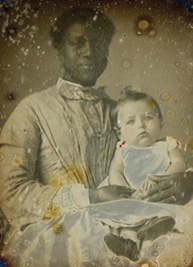 SLAVERY ,AMERICAN
Important Pair of Daguerreotypes: Black Caregiver with White Baby and the Child’s Parents. Talbot County, Maryland or Texas, c. 1853
This striking pair of daguerreotypes evokes the complex relationships between enslaved people and their enslavers in the American South, especially between white families and the trusted women who cared for their children.
the pair: $18,500
-
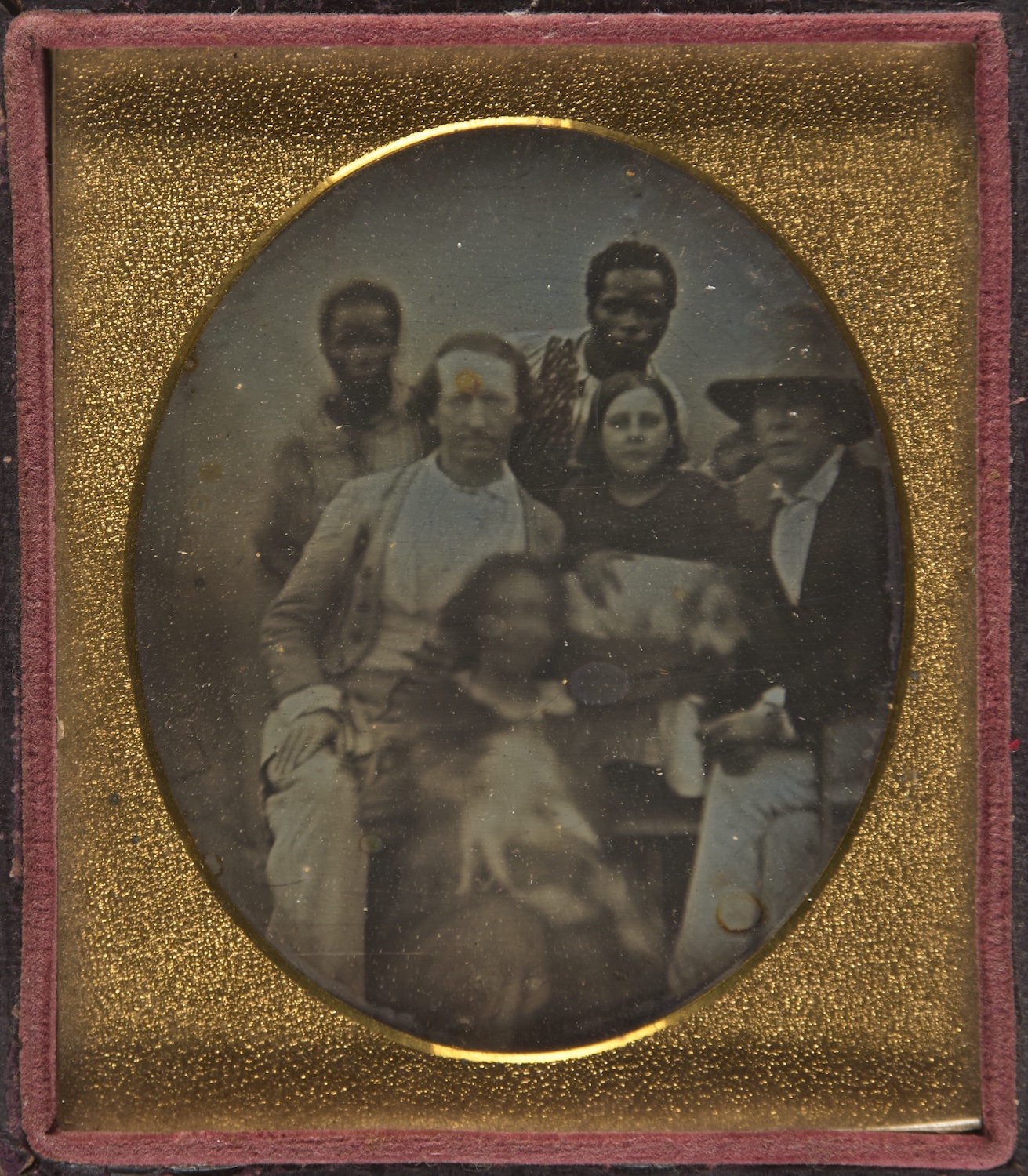 (Slavery in South Carolina.)
A collection of images associated with South Carolina physician and plantation owner Sidney Smith. South Carolina, 1845-50
A unique survival. This important collection of largely identified photographs documents the home and family of Dr. Sidney Smith and those he enslaved at Gravel Hill, his South Carolina plantation. The collection includes an extraordinary daguerreotype depicting Dr. Smith, his two daughters, and his brother, posed together with two enslaved African American men. This is one of the earliest known images—if not the very earliest photograph—of an identified plantation owner posing with enslaved African Americans.
$60,000

